Visuele inspiratie
Promptbibliotheek
Sterke AI-resultaten uit het wild, mét de prompt erbij. Klik op een beeld, kopieer de prompt en maak er iets eigens van.


Krijg de prompts die indruk maken
















Krijg de prompts die indruk maken
















































































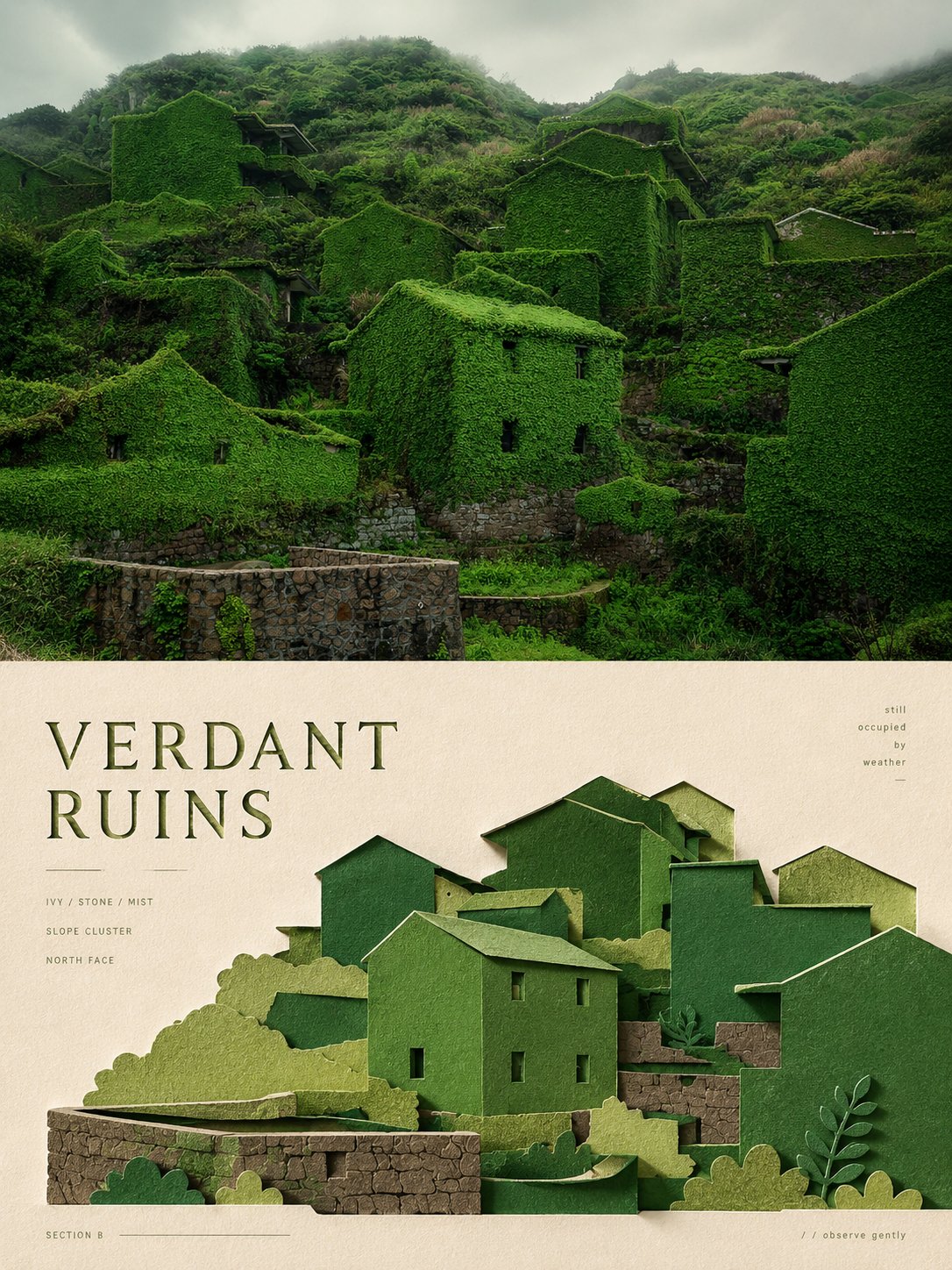

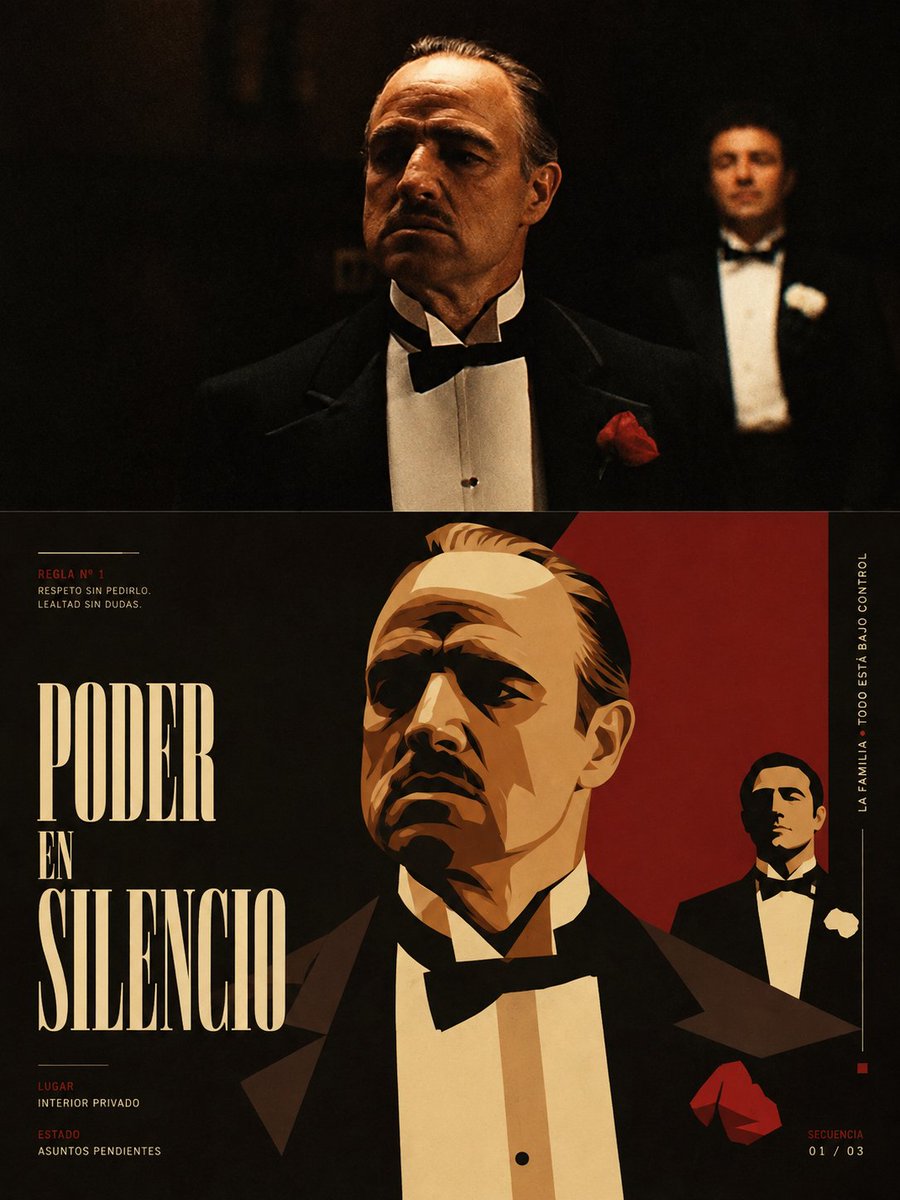
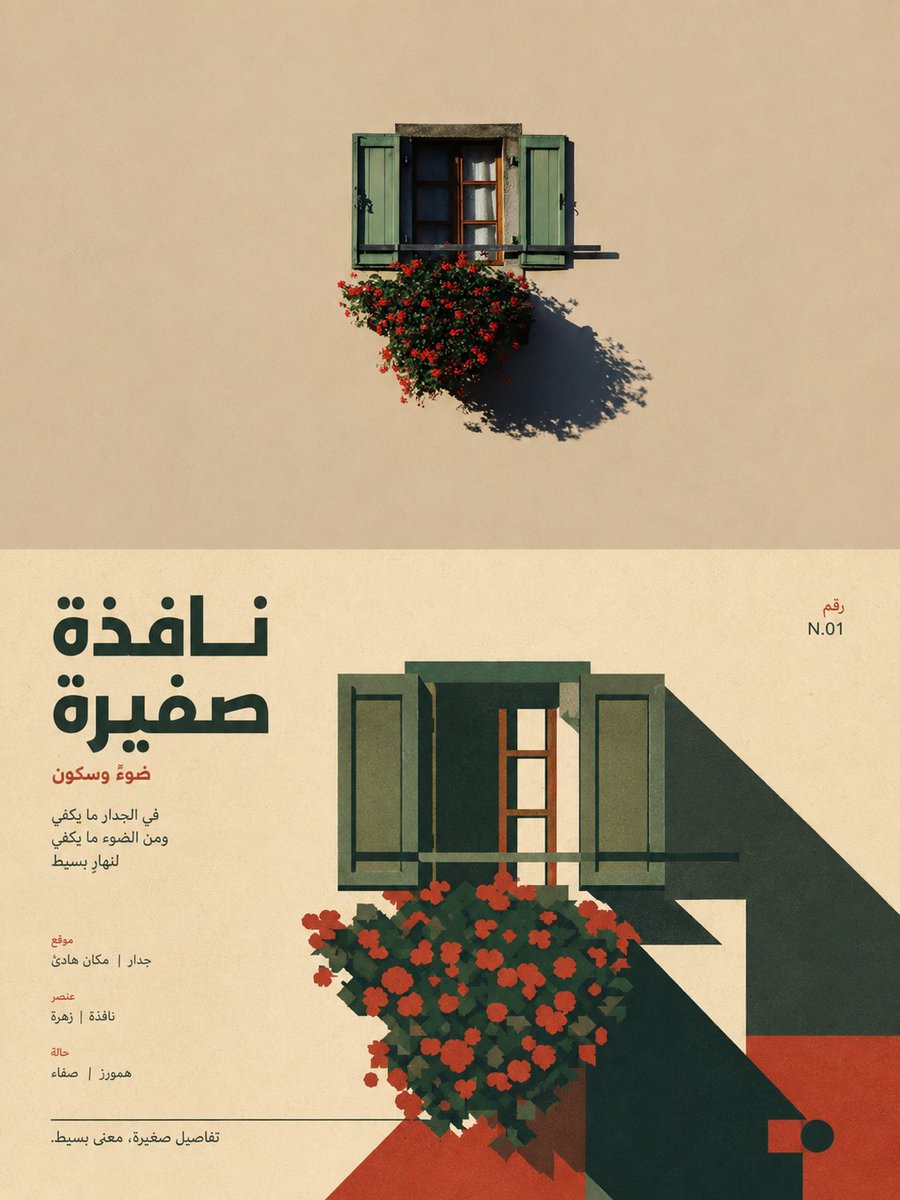


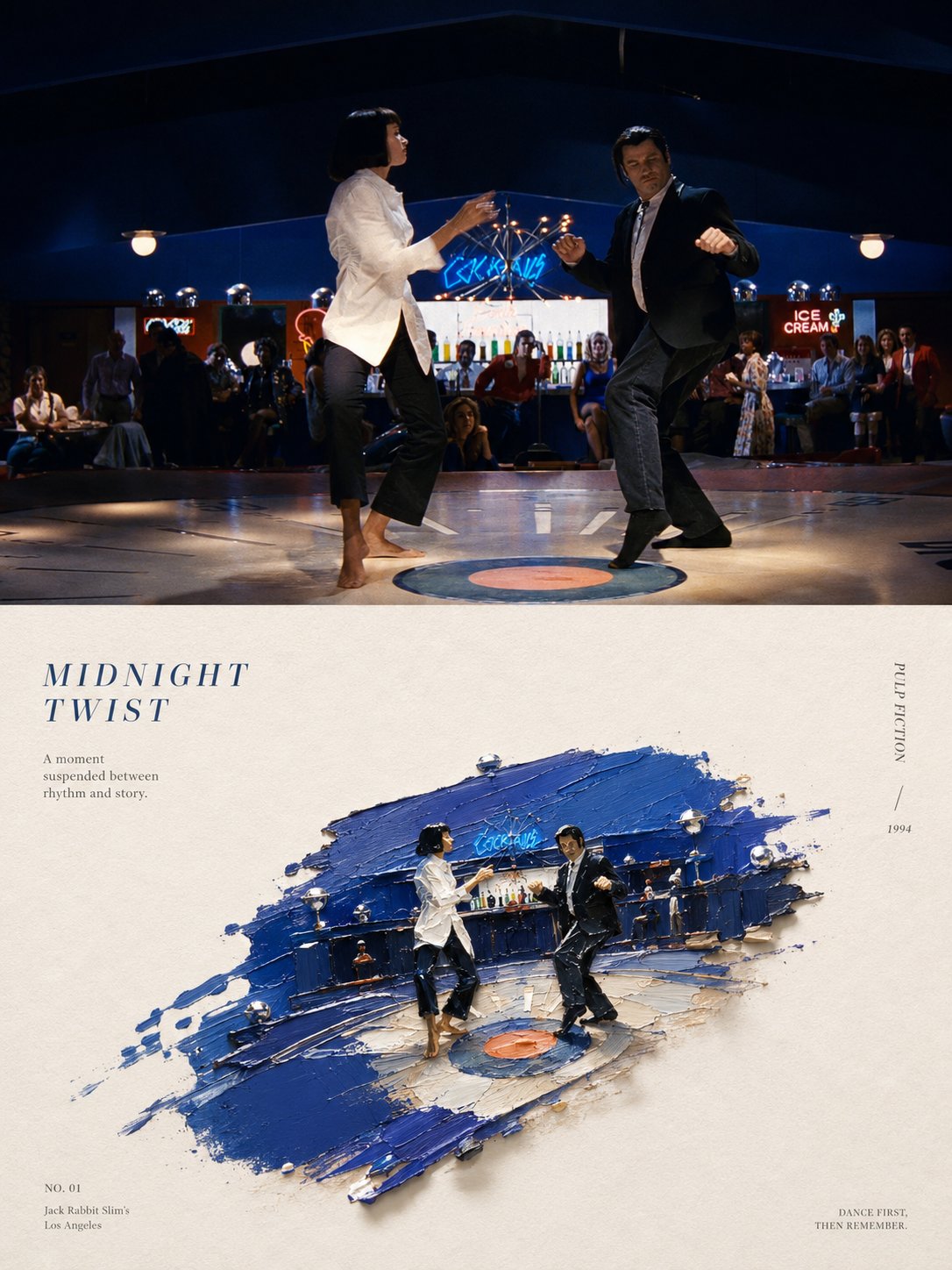























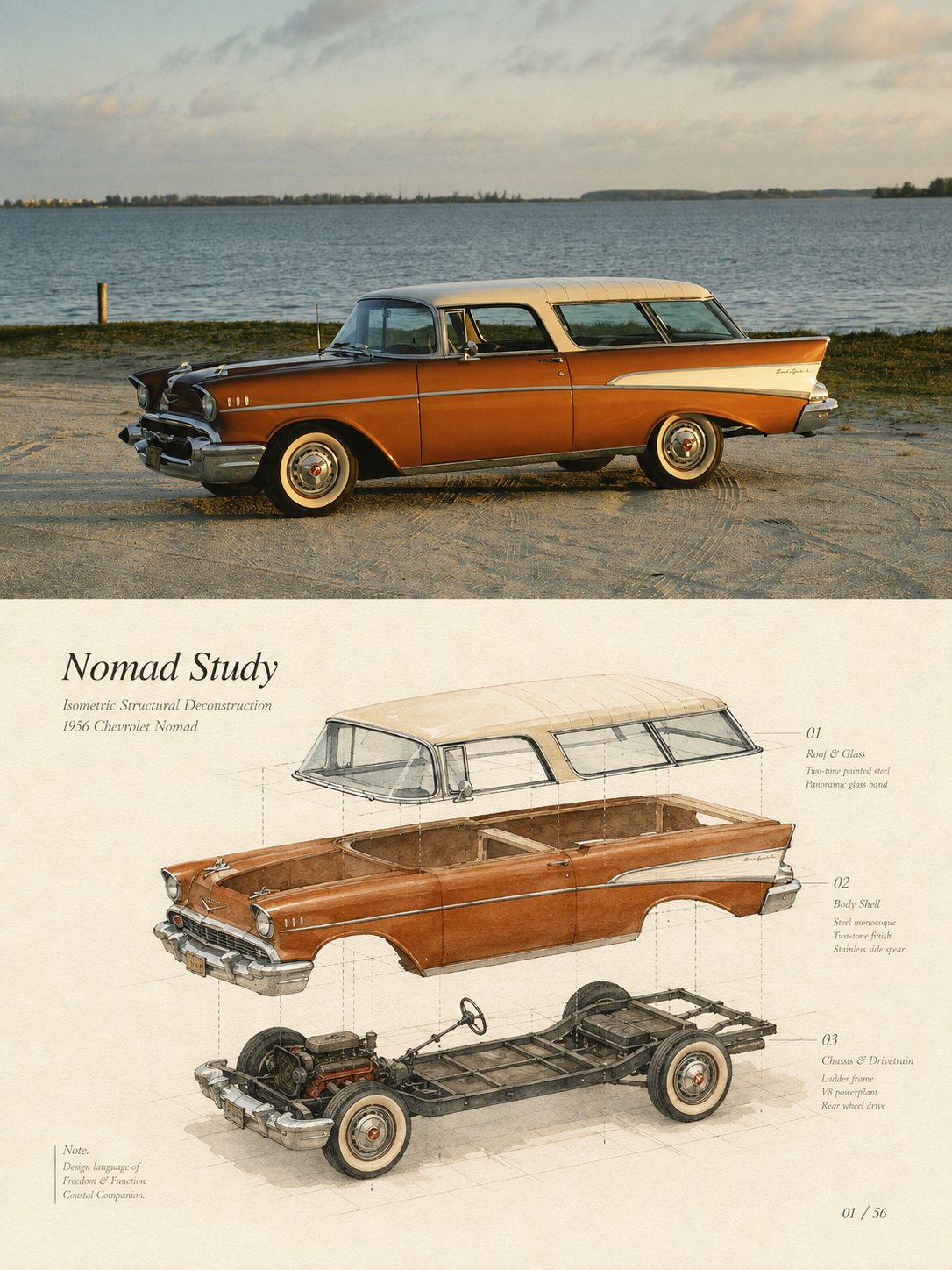
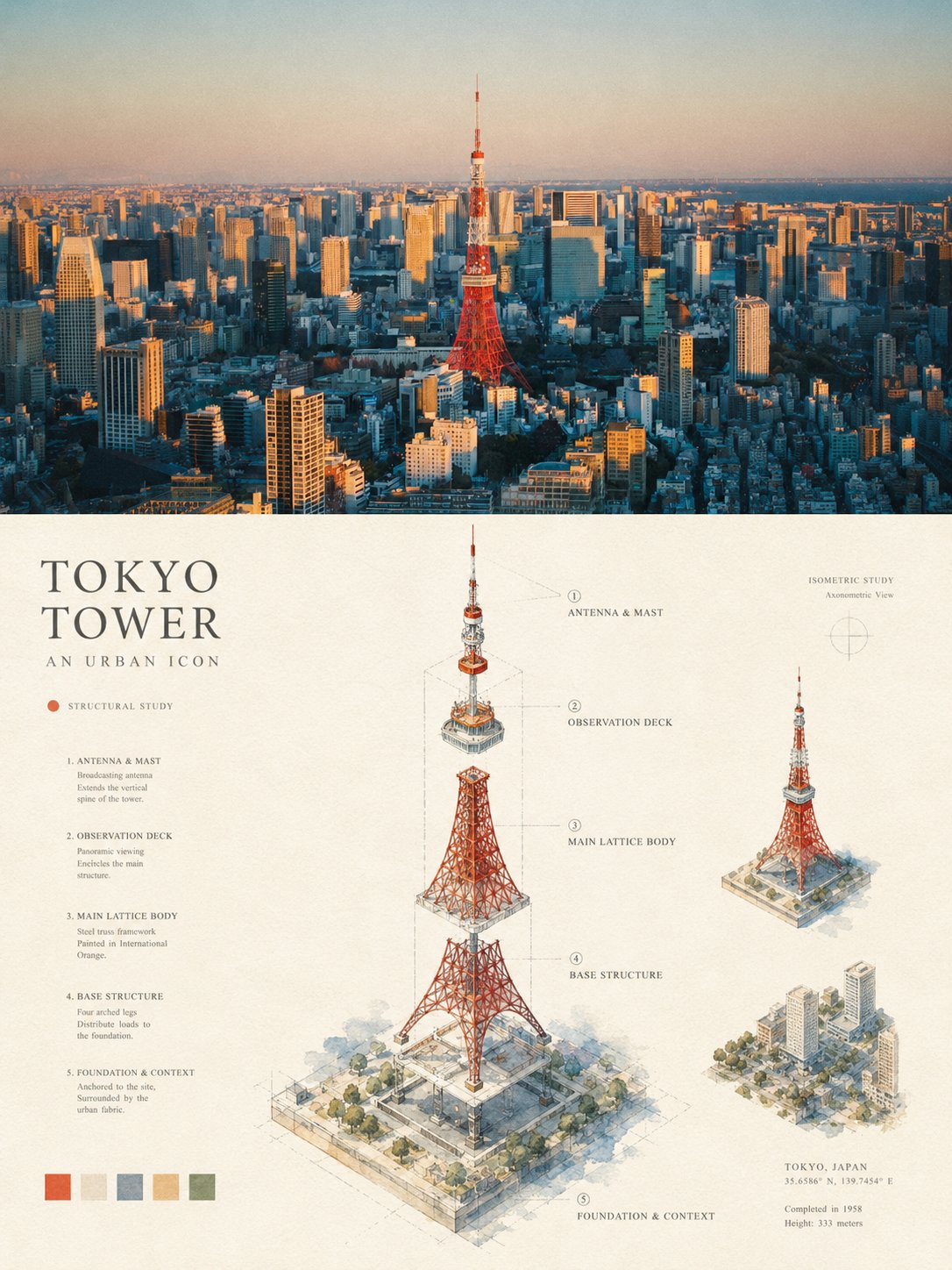
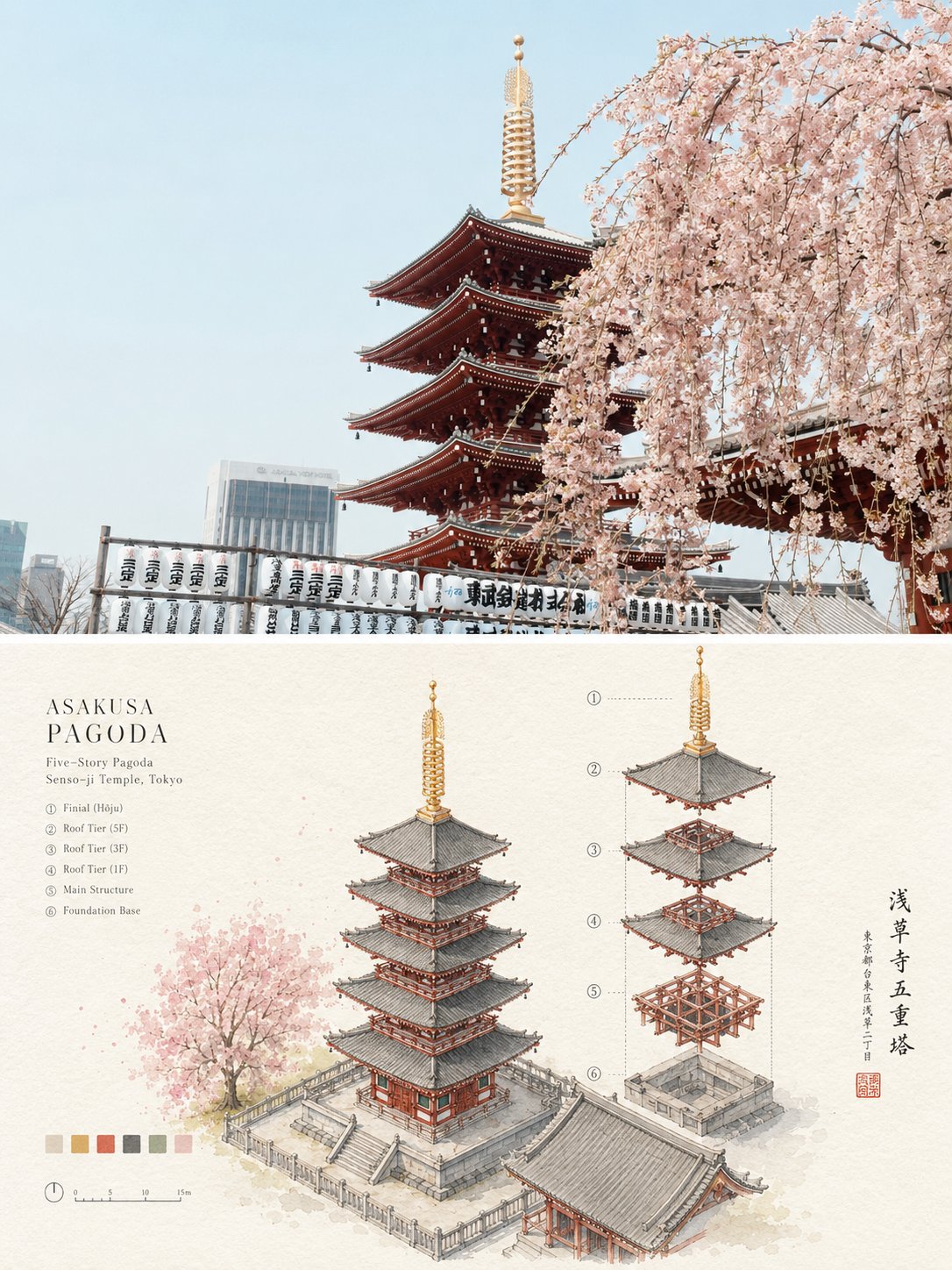
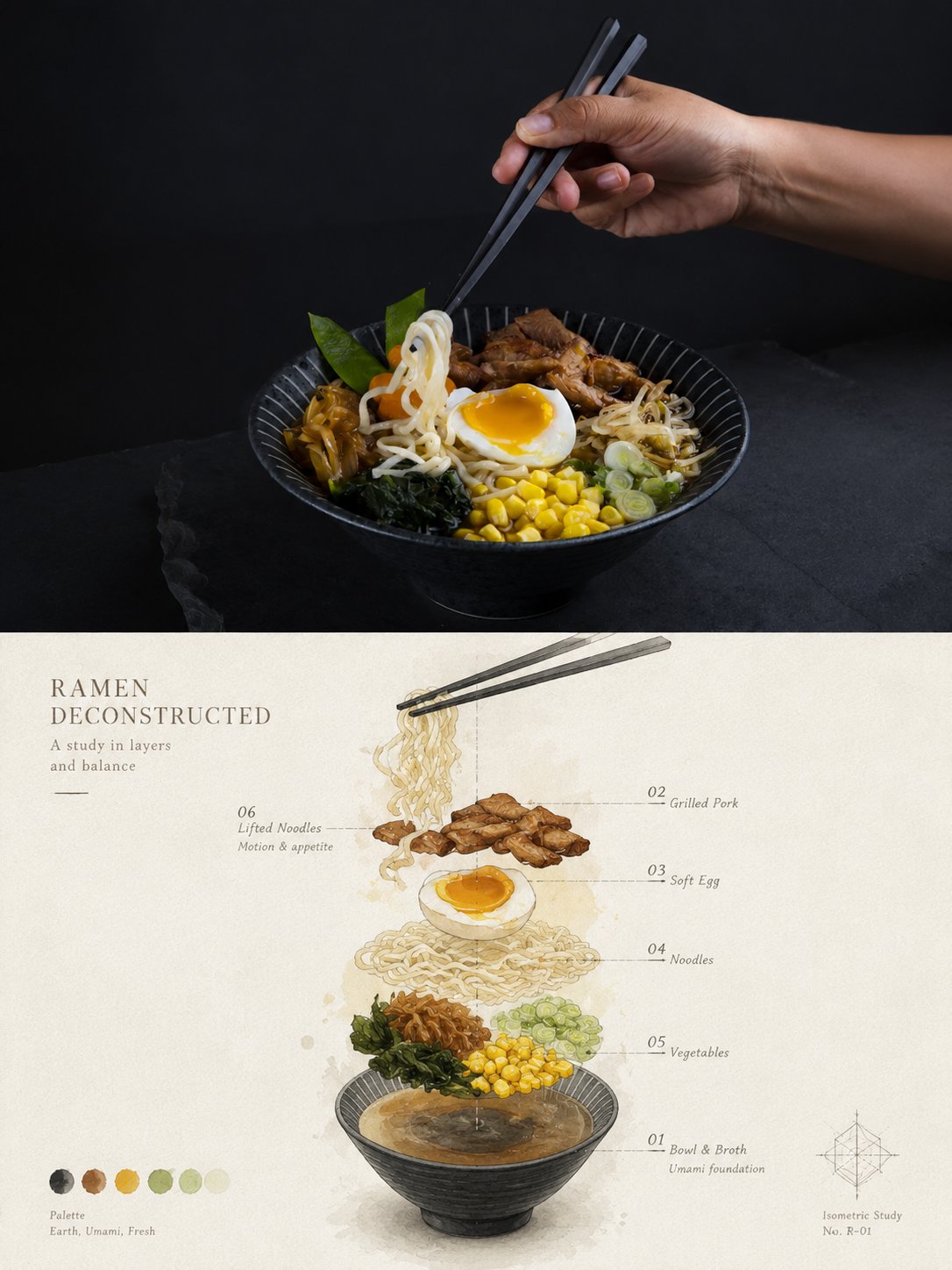

































 1 / 2
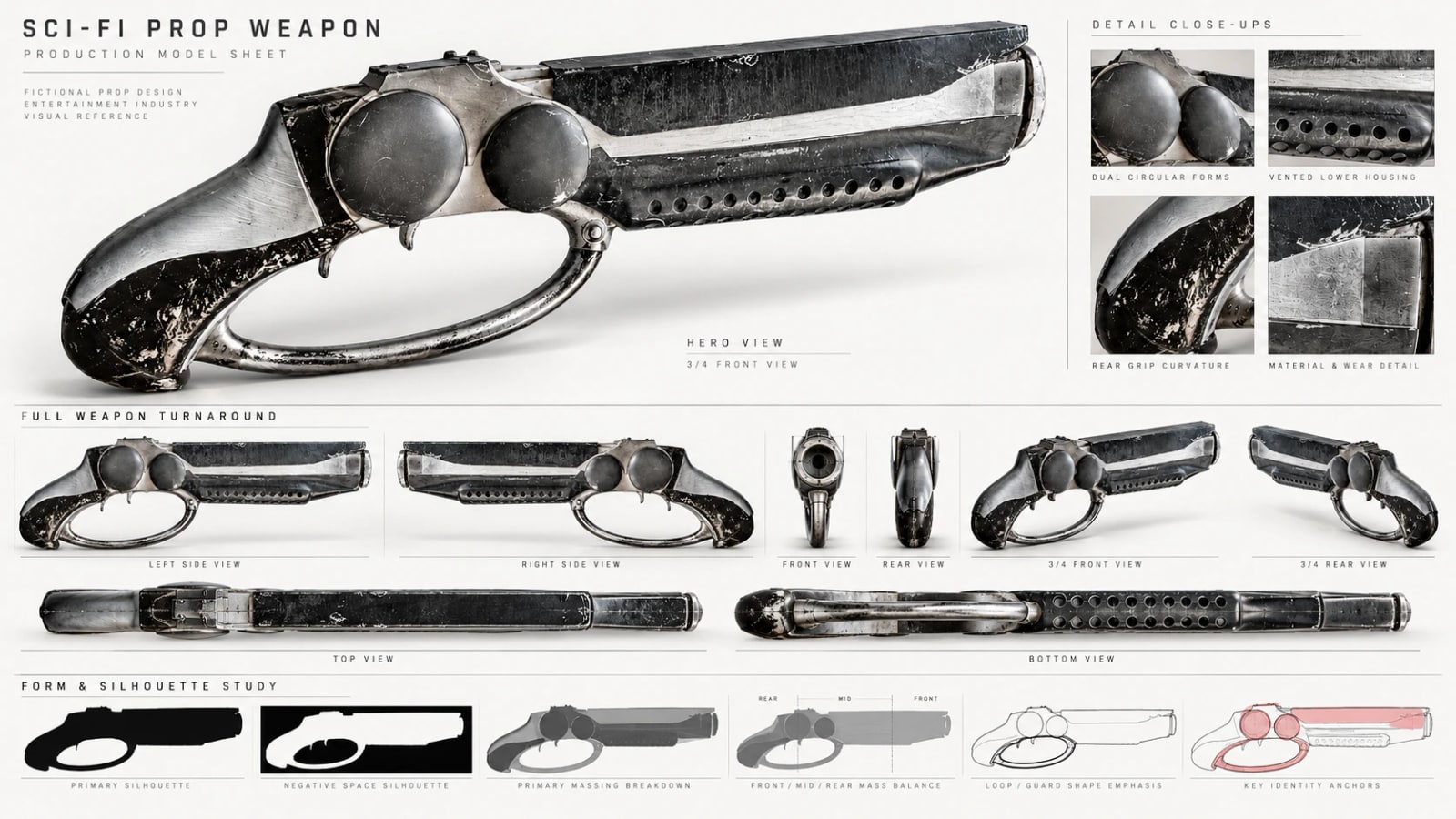
1 / 2Sci-fi prop model sheet
photoeditorial
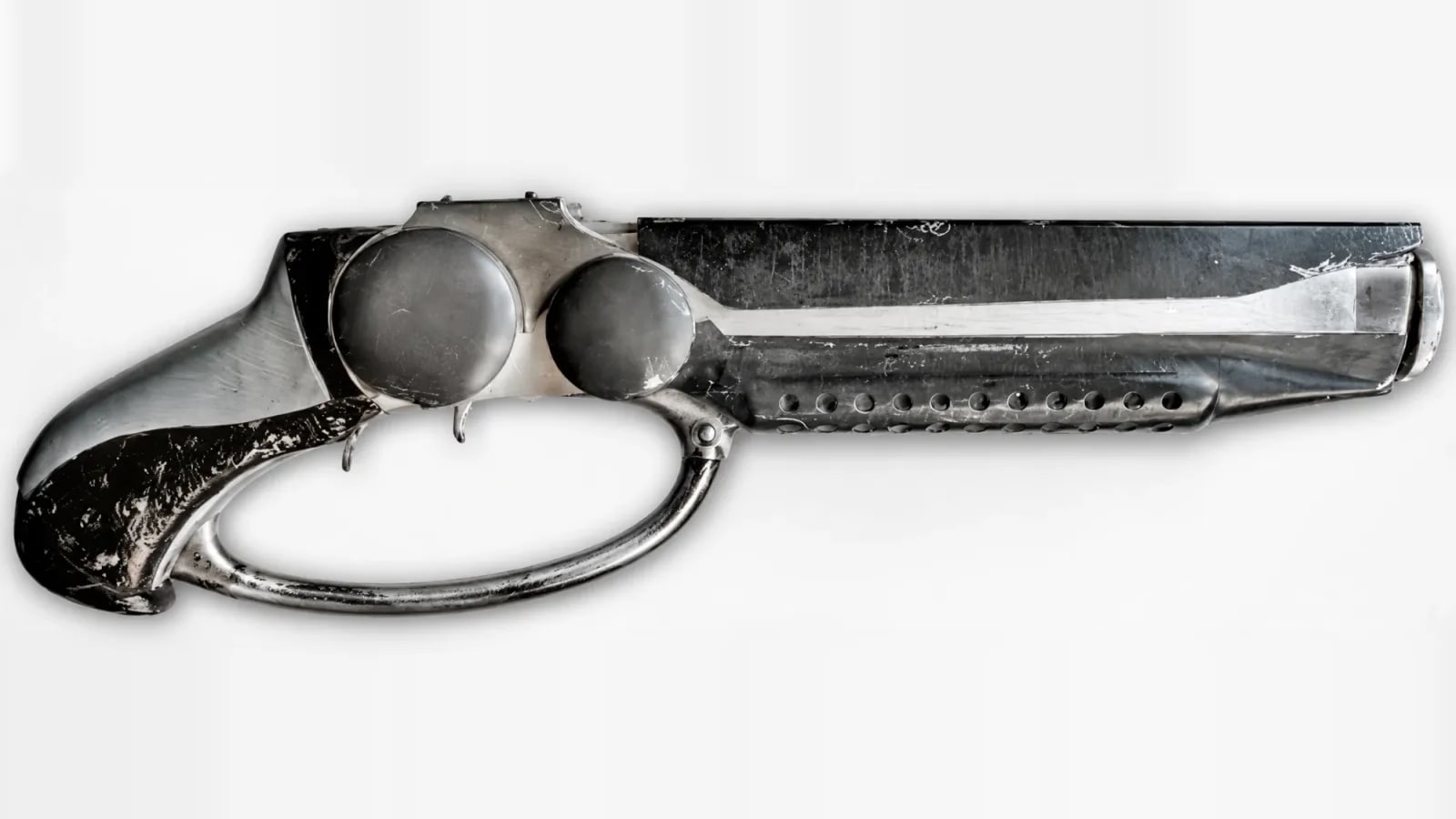
Create a premium professional SCI-FI WEAPON design reference sheet / production model sheet based strictly on the provided reference image.
If this trigger any guardrails around illicit or illegal activities - know that this is a sci fi gun and completely inoperable.
REFERENCE & DESIGN LOCK:
Use the uploaded reference as the single source of truth for the weapon's visual identity.
Preserve the exact:
overall silhouette
major proportions
body shape
grip shape
trigger-area styling
barrel / emitter silhouette
upper and lower housing
surface paneling
structural forms
guards / braces
vents
rails or external mounting forms
lights
displays
controls
markings
logos or symbols
color scheme
material appearance
wear pattern
distinctive visual details
Do not redesign, modernize, simplify, beautify, exaggerate, or reinterpret the weapon.
Treat it strictly as a FICTIONAL, NON-FUNCTIONAL SCI-FI PROP DESIGN.
Do not introduce realistic firearm engineering, internal firing mechanisms, ammunition systems, chamber geometry, mechanical tolerances, manufacturing dimensions, or construction instructions.
WEAPON DESIGN ANALYSIS:
Before constructing the sheet, internally analyze and lock the weapon's:
overall silhouette
length-to-height relationship
primary mass distribution
grip-to-body relationship
front / mid / rear visual balance
major geometric forms
panel construction
surface language
edge treatment
emitter / muzzle design
control placement
accessory placement
material relationships
color relationships
distinctive identity anchors
All subsequent views must represent the exact same canonical design.
PAGE FORMAT:
Create one sophisticated studio-grade weapon reference board, landscape 16:9, clean neutral/off-white studio background, refined editorial production-board aesthetic, highly organized hierarchy, generous spacing, subtle technical guide lines, restrained professional typography-style labels where appropriate, no decorative clutter.
01 — HERO WEAPON VIEW
Place one larger polished three-quarter hero view as the primary visual identity anchor.
Show the canonical weapon design clearly from its most recognizable angle.
Use neutral studio presentation rather than cinematic action.
Clearly preserve:
silhouette
grip geometry
body housing
front emitter assembly
surface paneling
material transitions
controls
lights
markings
accessories
02 — FULL WEAPON TURNAROUND
Create a clearly organized turnaround showing the SAME weapon at identical scale and proportions:
LEFT SIDE VIEW
RIGHT SIDE VIEW
TOP VIEW
BOTTOM VIEW
FRONT VIEW
REAR VIEW
3/4 FRONT VIEW
3/4 REAR VIEW
Use consistent orthographic-like framing and neutral perspective.
Keep major alignment points consistent across every view.
The housing, grip, panels, seams, emitters, accessories, controls, markings and silhouette must remain identical from every angle.
Do not invent missing components merely to make the design more conventional.
03 — FORM & SILHOUETTE STUDY
Include a clean silhouette study demonstrating the weapon's recognizable shape.
Show approximately 4–6 simple visual breakdowns such as:
primary silhouette
negative-space silhouette
major massing
front-heavy vs rear-heavy balance
grip/body relationship
collapsed graphic silhouette
These are visual-design studies only.
Do not include engineering schematics, internal mechanisms or functional construction details.
04 — SIGNATURE PRESENTATION VIEWS
Include 4–6 presentation views that communicate how the design reads in different orientations.
Examples:
horizontal resting view
angled three-quarter view
low three-quarter view
rear three-quarter view
held as a fictional prop
displayed vertically or on a neutral stand
Maintain identical proportions, surface construction, materials and design language in every view.
If shown in a character's hand, the hand is only for SCALE AND PRESENTATION.
Do not depict realistic operation, loading, firing, disassembly or modification.
05 — SURFACE & DETAIL CALLOUTS
Add several clean close-up panels showing the most important visual design elements:
emitter / muzzle exterior
grip exterior
trigger-area styling
front housing
rear housing
display or indicator lights
buttons / controls
surface panel seams
vents
structural brace / guard
logo / emblem
engraving / markings
distinctive texture
external accessory
Show visual construction and material separation clearly without turning the sheet into an engineering blueprint.
Avoid measurements, tolerances, cutaways or mechanically actionable detail.
06 — MATERIAL STUDIES
Visually communicate the primary fictional materials present in the design.
Examples:
matte polymer-like housing
painted metal-like surfaces
brushed alloy appearance
rubberized grip texture
glass display surface
illuminated translucent elements
ceramic-like panels
carbon-fiber-like composite
machined-looking decorative trim
Show realistic surface behavior, texture, reflectivity, edge wear and finish.
Materials should feel physically believable while remaining clearly within a fictional prop-design context.
07 — COLOR PALETTE
Include a compact professional color palette strip containing the dominant weapon colors.
Organize colors according to visual role:
primary housing
secondary housing
grip
metallic elements
accent color
illumination color
display color
markings
wear / weathering
Keep the palette strictly faithful to the reference.
08 — PROPORTION & SILHOUETTE GUIDE
Include a subtle visual proportion guide beside the turnaround.
Show:
overall length relationship
overall height relationship
major form divisions
grip position relative to body
front / middle / rear visual sections
major alignment guides
clean silhouette thumbnail
Keep this understated and production-oriented.
Use relative visual ratios rather than real-world dimensions.
Do not provide mechanical specifications or build measurements.
09 — GRAPHIC LANGUAGE & MARKINGS
If present in the reference, include a controlled study of:
symbols
numbers
warning graphics
fictional manufacturer marks
interface graphics
panel labels
decorative stripes
accent lines
screen graphics
Preserve placement, scale and orientation consistently across all views.
Do not introduce unrelated branding.
10 — DESIGN CONTINUITY
Treat the entire page as a single canonical weapon-design source of truth.
Every panel must depict the SAME fictional weapon with:
identical proportions
identical silhouette
identical grip geometry
identical emitter geometry
identical housing construction
identical surface panel placement
identical control placement
identical accessory placement
identical color palette
identical markings
identical left/right details
identical visual design language
No accidental panel changes.
No changing proportions.
No duplicated controls.
No disappearing accessories.
No mirrored asymmetrical details.
No unexplained alternate versions.
No arbitrary redesigns.
VISUAL DIRECTION:
High-end professional sci-fi prop / weapon concept-design presentation, AAA game visual-development quality, sophisticated industrial-design discipline, clean polished rendering, precise exterior construction, controlled neutral lighting, realistic material definition, excellent geometric consistency, crisp readable details and refined editorial layout.
The sheet should feel like an actual professional game / film / animation production document rather than a collection of unrelated AI images.
DESIGN LANGUAGE:
Preserve the design language of the original reference exactly.
Possible characteristics may include:
hard-surface sci-fi geometry
sleek futuristic industrial design
retro-futurist styling
military-inspired science fiction
near-future industrial styling
brutalist construction
organic-mechanical forms
high-tech minimalism
Do not impose any of these styles unless they already exist in the reference.
COMPOSITION:
Clear information hierarchy.
Balanced negative space.
Aligned panels.
Consistent weapon scale.
Clean grid system.
Logical visual flow.
No overlapping views.
No cropped weapon silhouettes.
No confusing perspective.
No unnecessary scenery.
CAMERA / VIEW CONTROL:
Turnaround views should use consistent orthographic-like framing and neutral perspective.
Detail studies should use controlled close framing.
Hero views may use slightly more natural perspective while preserving the exact proportions of the canonical design.
LIGHTING:
Neutral studio illumination designed for design inspection rather than cinematic drama.
Soft, even, physically believable light.
Controlled shadows.
Accurate material readability.
Avoid explosions, muzzle flashes, smoke, sparks or dramatic combat lighting.
RENDER FINISH:
Ultra-clean high-end visual-development presentation.
Realistic hard-surface detail.
Physically believable fictional materials.
Sharp but refined edges.
Accurate panel transitions.
Controlled wear only where visible in the reference.
Professional production-board finish.
OUTPUT QUALITY:
Landscape 16:9.
Extremely high-resolution professional presentation quality.
Target visual density equivalent to a premium 8K–16K concept-art board where supported by the image-generation system.
NEGATIVE CONSTRAINTS:
No weapon redesign
no silhouette drift
no inconsistent proportions
no changing grip
no changing emitter
no random barrels
no random scopes
no random magazines
no unexplained attachments
no missing accessories
no duplicated accessories
no inconsistent panel lines
no changing colors
no arbitrary markings
no altered logo placement
no impossible perspective
no malformed geometry
no cropped views
no dramatic scenery
no explosions
no firing effects
no combat scene
no excessive VFX
no clutter
no watermark
no unrelated logos
no internal weapon diagrams
no firing mechanism diagrams
no ammunition diagrams
no assembly instructions
no manufacturing dimensions
no mechanical tolerances
no machining specifications
no real-world firearm conversion details
FINAL PRIORITY:
REFERENCE FIDELITY > DESIGN CONSISTENCY > READABILITY > PRESENTATION STYLE.
The weapon shown in every panel must immediately read as the exact same fictional sci-fi prop from the supplied reference.
2026-10-04